
AVAILABLE 24/7 | FREE INITIAL CONSULTATION
How Can I Get Compensation After a Big Rig Accident on Texas Highways?
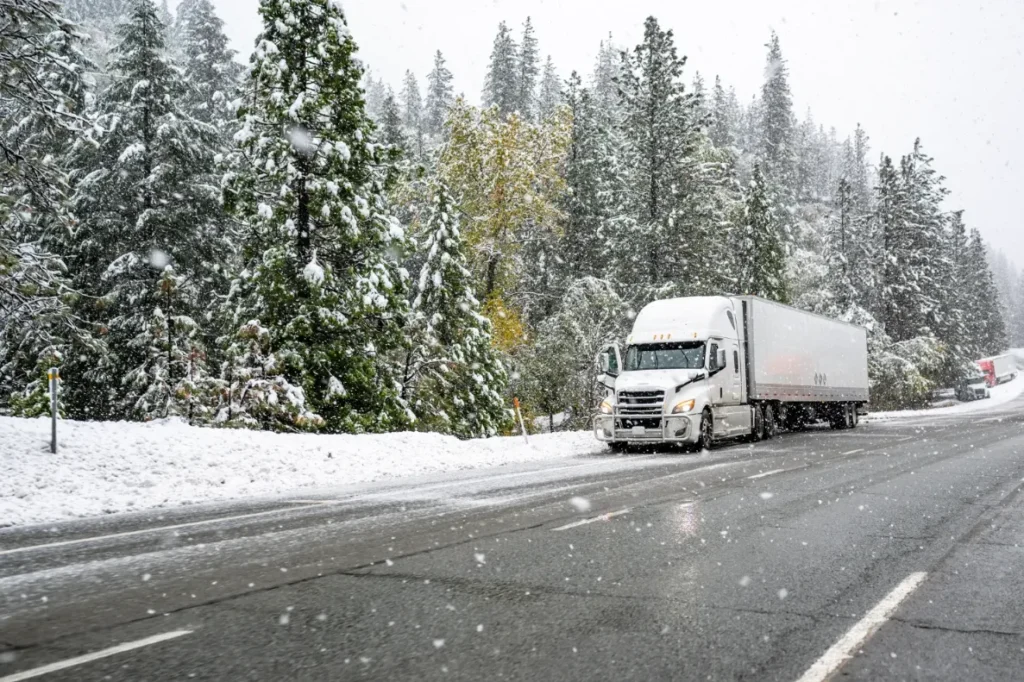 Big rig accidents, also known as 18-wheeler or semi-truck accidents, can be devastating due to the sheer size and weight of these vehicles. Picture yourself cruising down I-35 when, out of nowhere, a colossal truck veers into your lane, resulting in a severe collision. The aftermath can be overwhelming, with medical bills piling up and questions about who will cover these expenses.
At Campos Law Group, we help victims of big rig accidents understand the complex legal system to ensure they receive fair compensation. We are dedicated to protecting your rights and guiding you through every step of the process. If you or a loved one has been affected by a big rig accident, don’t hesitate—contact us today at 512-233-6947 for a free consultation and take the first step towards reclaiming your peace of mind.
Understanding Your Rights After a Big Rig Accident
Big rig accidents in Texas are more complicated than regular car accidents due to specific laws and regulations affecting liability and compensation.
When a collision occurs between an 18-wheeler accident and a smaller vehicle, the results are often catastrophic, leading to severe injuries or even fatalities for the occupants of the smaller vehicle. Given the high stakes, at Campos Law Group we can help accident victims understand their rights to secure the compensation they deserve.
In Texas, the at-fault system determines who is responsible for the expenses resulting from an accident. This means that if you are a truck accident victim, you need to be aware of who holds the liability and how to prove it. Texas law has a strict time limit for filing personal injury claims, adding another layer of confusion to truck accident cases. Understanding these challenges will better help victims navigate the challenges of truck accident claims and ensure they take the necessary steps to secure fair compensation for their injuries and losses.
Texas At-Fault System
In Texas, the at-fault party in truck accidents must cover expenses like medical bills, lost wages, and other damages. The 51 percent bar rule means if you’re more than 50% at fault, you can’t receive compensation. This highlights the need to prove the truck driver or company holds the majority of the fault.
Trucking companies are liable if they neglect vehicle maintenance or safety regulations. For example, failing to maintain vehicles or enforce driving hours can make them responsible for accidents. Both the driver and the company can be held accountable if the driver was negligent, such as driving while fatigued or under the influence.
Statute of Limitations
Texas law requires personal injury claims related to truck accidents to be filed within two years from the accident date. Missing this deadline can forfeit your right to compensation. Starting the claim process early is critical to avoid legal pitfalls and ensure you seek justice and rightful compensation.
3 Steps to Take Immediately After an Accident
The actions you take immediately after a truck accident can significantly impact your ability to secure compensation. Stay calm and focus on gathering evidence and protecting your rights.
- Seek Medical Attention
- The first critical step after a truck accident is to seek immediate medical attention, even if your injuries seem minor. This ensures you get the necessary treatment and provides important documentation linking your injuries to the accident. This documentation is vital for any legal claims related to the accident.
- While legal issues are handled, focus primarily on your recovery.
- Document the Scene
- Documenting the accident scene is vital for building a strong case. Photograph the scene, including vehicle damage, road conditions, and any visible injuries. These photos serve as powerful evidence to support your claim. Ensure images capture the extent of the damage, the surrounding environment, and any contributing factors.
- Note the driving conditions at the accident location. Factors like sharp curves, blocked views, or bad weather can help explain how the accident happened. Detailed scene documentation helps create a clear picture of the events leading to the accident, strengthening your case.
- Notify Your Insurance Company
- Informing your insurance company promptly after a truck accident is necessary to start your claim process and ensure compensation. Be careful when talking to insurance adjusters. Avoid admitting fault or giving too many details, as these statements could harm your claim. Stick to the facts and your injuries when discussing the accident with your insurance company.
- Keep a record of all interactions with your insurance provider, including dates, contacts, and discussions. This documentation protects your interests and provides a clear timeline of actions.
Determining Liability in Big Rig Accidents
Determining who is at fault for a truck accident is key for receiving compensation. The process of establishing liability can be complex, involving multiple potentially liable parties. Various parties can be held accountable, including truck drivers, trucking companies, manufacturers, and third-party entities.
Truck Driver Negligence
Negligent behavior by truck drivers is a significant contributor to truck accidents. Actions such as driving while fatigued, under the influence of alcohol or drugs, or violating traffic laws can lead to devastating consequences. If a truck driver fails to maintain the necessary level of care, they may be held liable for the resulting accident. If a truck driver is found at fault, they are responsible for compensating the victim for injuries and property damage.
Trucking Company Responsibility
Trucking companies can also be held liable for commercial truck accidents if they fail to maintain their vehicles properly or adhere to safety regulations. This includes:
- Regular vehicle maintenance
- Enforcing driving hours regulations
- Ensuring their drivers are adequately trained and fit for duty
Neglecting these responsibilities can hold trucking companies accountable for resulting accidents.
Third-Party Involvement
In addition to truck drivers and trucking companies, third parties can also be liable for truck accidents. Responsibilities may include:
- Manufacturers: Responsible if defects in the design or manufacturing of the truck contributed to the accident. This liability extends to vehicle designers, manufacturers, and supply chain parties involved in producing the truck.
- Cargo Loaders: Accountable if overloaded or poorly balanced cargo contributes to an accident. Improperly loaded cargo can significantly impact the truck’s stability and handling, leading to dangerous situations on the road.
- Maintenance Companies: Liable if they negligently performed repairs or maintenance on the truck.
At Campos Law Group, we can thoroughly examine your case to identify all potentially liable parties. Our comprehensive approach ensures that every avenue of liability is explored, maximizing your chances of a successful claim.
Types of Compensation Available
Victims of truck accidents in Texas can seek various types of compensation for their injuries. These compensations are broadly categorized into economic damages, non-economic damages, and punitive damages. Each type serves a specific purpose in addressing the different aspects of the victim’s losses.
Economic Damages
Economic damages refer to tangible financial losses that can be easily calculated. These include:
- Medical Expenses: Cover a wide range of costs linked to injuries, such as hospital bills, surgeries, medications, and ongoing treatments like physical therapy.
- Lost Wages: Compensation for income lost due to inability to work following the accident. This also extends to future earning capacity, considering the victim’s ability to work in the future, their occupation, educational background, and overall abilities.
- Property Damage: Includes repair or replacement of the vehicle involved in the accident and any other personal property that was damaged.
- Travel Expenses: Costs incurred for medical appointments and other accident-related activities.
Economic damages aim to cover the financial losses faced by accident victims. These include medical expenses, lost wages, property damage, and travel expenses. Securing fair compensation for economic damages is fundamental, as it helps victims manage costs and rebuild their lives after a truck accident.
Non-Economic Damages
Non-economic damages refer to the subjective losses experienced by victims after a truck accident. These damages are harder to quantify but equally important in addressing the victim’s suffering. Non-economic damages include:
- Pain and Suffering: Physical and emotional anguish that victims endure as a result of their injuries.
- Emotional Distress: Psychological impact, such as anxiety, depression, and post-traumatic stress disorder (PTSD), that can arise after a traumatic event like a truck accident.
- Loss of Enjoyment of Life: Compensation if injuries prevent victims from engaging in activities they once enjoyed.
Punitive Damages
Punitive damages are awarded when the defendant’s behavior is particularly bad. These damages aim to punish the wrongdoer and deter similar actions in the future. In truck accident cases, punitive damages may be given if there is gross negligence or intentional harm.
Punitive damages not only compensate the victim but also send a clear message that such behavior is unacceptable. For example, if a trucking company knowingly allows its drivers to exceed the legal driving hours, leading to a severe accident, the court may award punitive damages. These damages punish the company for its reckless behavior and serve as a deterrent to prevent similar actions in the future.
Common Challenges in Truck Accident Claims
Truck accident claims often come with unique challenges that complicate getting compensation. Knowing these hurdles is key to building a strong case. Victims may face issues like multiple responsible parties, insurance company tactics, and proving the long-term impact of injuries.
- Dealing with Multiple Defendants: Big rig accidents often involve multiple liable parties, including truck drivers, trucking companies, and other entities. Determining who is responsible can be complicated, as various parties may share the blame. Understanding this is crucial for victims seeking compensation.
- Insurance Company Tactics: Insurance companies might offer low settlements quickly or dispute claims to save money. These tactics can leave victims without enough compensation for their injuries and losses. To fight these strategies, having a lawyer is critical. At Campos Law Group At Campos Law Group, we can make sure your rights are protected and your needs are met.
- Providing Long-Term Support: Proving the long-term impact of serious injuries from a truck accident can be tough. Delays in medical attention make it harder to link symptoms to the crash. Keeping a daily record of symptoms and their impact on your life is crucial while working with an attorney at Campos Law Group to strengthen your case and help secure fair settlements.
Campos Law Group: Your Ally in the Fight for Justice
Campos Law Group stands as a dedicated ally for clients navigating the difficulties of seeking justice after a big rig accident. Our firm assists clients through each step of the legal process, ensuring that they understand their rights and options.
We prioritize the well-being and legal rights of our clients throughout the legal process. Reach out to Campos Law Group today for a free consultation. Our dedicated team is ready to assist you in understanding your rights and obtaining the compensation you deserve. Contact us at 512-233-6947 to begin your journey toward justice.
Frequently Asked Questions
How long do I have to file a personal injury claim after a truck accident in Texas?
You have two years from the date of the truck accident in Texas to file a personal injury claim. It’s essential to act within this timeframe to protect your legal rights.
What types of compensation can I seek after a truck accident?
After a truck accident, you can seek compensation for economic damages like medical expenses and lost wages, non-economic damages such as pain and suffering, and potentially punitive damages if gross negligence is involved. Each type serves to address the various impacts of the accident on your life.
Who can be held liable for a truck accident?
A truck accident can result in liability for multiple parties, including the truck driver, the trucking company, manufacturers of the truck or parts, and third-party entities such as maintenance providers or cargo loaders. Understanding these potential liabilities is crucial for addressing claims effectively.
Why is it important to document the accident scene?
Documenting the accident scene is vital for establishing a solid case and demonstrating liability, as it provides clear evidence of the circumstances surrounding the incident. This aids in legal proceedings and insurance claims.
What should I do if the insurance company offers me a quick settlement?
If offered a quick settlement, do not accept it immediately. These offers are often lower than what you deserve. Consult with a truck accident lawyer to evaluate the offer and negotiate for fair compensation. This ensures your rights are protected and you receive what you are entitled to.

Free Consultation
” * ” Indicates Required Fields
"*" indicates required fields

