
AVAILABLE 24/7 | FREE INITIAL CONSULTATION
What Are My Rights If a Dog Bites Me on Someone Else’s Property?
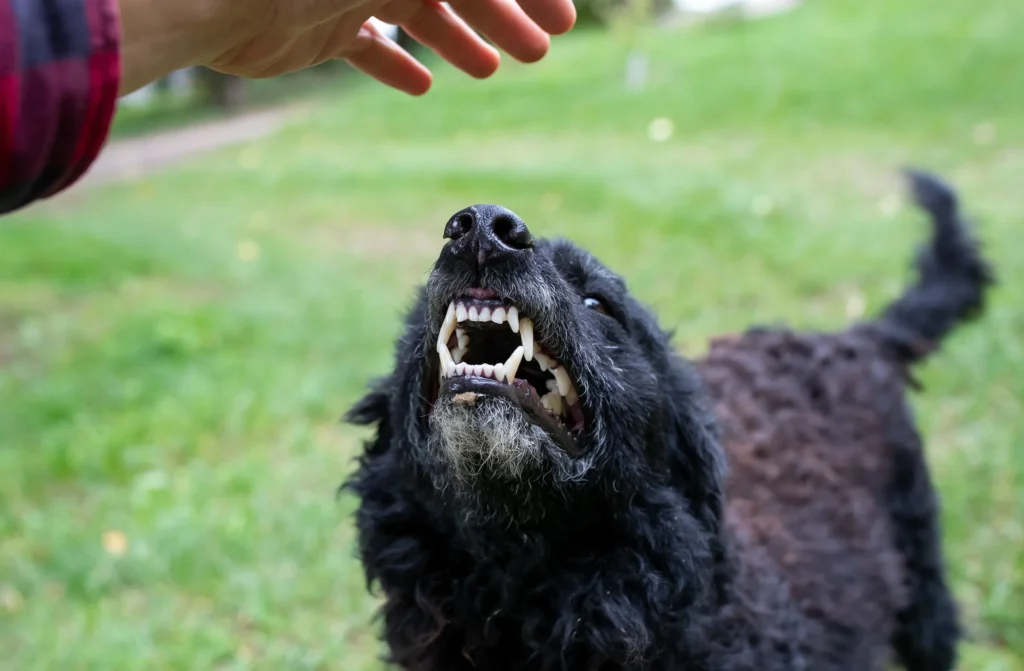 Imagine you’re visiting a friend’s house in Texas, and suddenly, their dog bites you. This can be a shocking and painful experience, leaving you wondering about your rights and what to do next. In Texas, dog bite cases can be complicated because of the state’s “one-bite rule.” This rule means that a dog’s owner may only be held responsible if they knew their dog had aggressive tendencies. For instance, if the dog has bitten someone before or shown signs of aggression, the owner could be held accountable for your injuries. Knowing these details is crucial to ensure you get the compensation you deserve for medical bills and other damages.
At Campos Law Group, we understand the complexities of Texas’s dog bite laws and are here to help you through the legal process. We offer free consultations to discuss your case and determine the best steps to take. Our team is committed to fighting for your rights and securing the compensation you need to recover fully. Don’t hesitate to contact us at 512-233-6947 for a straightforward, no-obligation discussion about your legal options. Let us ease your burden and guide you through this difficult time.
Understanding Texas Dog Bite Laws
Understanding Texas’s dog bite laws is essential for any dog bite victim seeking justice. Unlike many states, Texas follows the ‘one-bite rule,’ which is critical in determining who is responsible. This rule comes from court decisions rather than a specific law, making Texas unique compared to other states.
The one-bite rule means a dog owner can be held responsible for dog bites if they knew or should have known their dog might be aggressive. If the dog has bitten someone before or shown aggressive behavior, the owner can be held accountable for future bites. This rule emphasizes the need to prove the dog owner was aware of their dog’s aggressive behavior in any legal claim.
The one-bite rule has significant implications. It can influence the outcome of dog bite cases, affecting whether a dog owner is found liable for injuries. Understanding this rule helps victims and their lawyers build stronger cases by focusing on the dog owner’s knowledge of their pet’s behavior. At Campos Law Group, we have a deep understanding of Texas’s dog bite laws and are dedicated to thoroughly examining every aspect of your case. This careful attention helps maximize your chances of recovering damages for your injuries.
Determining Liability for Dog Bites on Someone Else’s Property
 Determining who is responsible for dog bites can be tricky, especially if it happens on someone else’s property. In Texas, several people might be responsible, like the dog’s owner, the property owner, or even the person bitten. Who’s liable depends on factors like the property owner’s responsibility to keep the area safe and whether the dog owner knew their dog might be aggressive.
To figure out who’s at fault, it’s important to look at whether the property owner took care to prevent harm and if the dog owner knew their dog could be dangerous. The actions or negligence of each person involved can greatly affect the result of a dog bite claim, helping to clarify who should be held responsible for the injuries.
Property Owner’s Duty of Care
In Texas, property owners have a legal duty to keep their premises safe for visitors. This means they must take reasonable steps to control their dogs and warn visitors about any potential dangers. The highest level of care is owed to invitees, like guests and utility workers, meaning property owners must actively work to prevent harm on their property.
If a property owner doesn’t properly restrain an aggressive dog or fails to warn visitors, they can be held responsible for any injuries that occur. Negligence can be proven if the property owner’s actions, or lack of action, lead to someone getting hurt. For example, not securing a known aggressive dog or ignoring local dog restraint laws can be considered negligence.
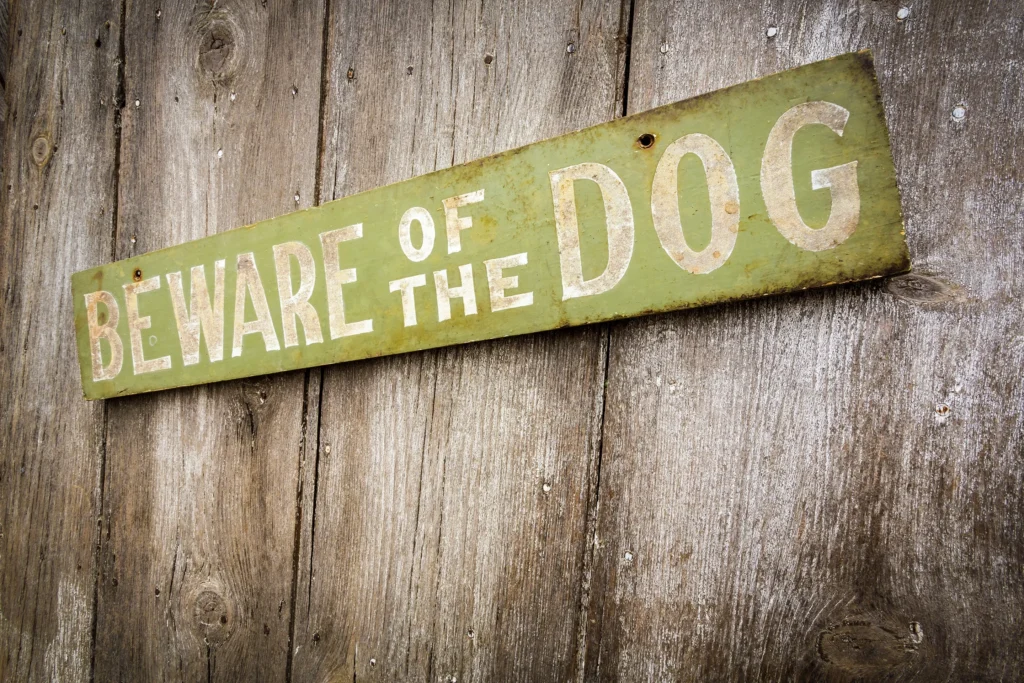
Properly restraining a dog involves keeping it in a fenced area, using a leash, or maintaining physical control over the dog. Even though ‘Beware of Dog’ signs can be helpful, they don’t completely protect property owners from being held liable. Taking these precautions can greatly reduce the chances of dog bite incidents and the legal consequences that follow.
Dog Owner’s Knowledge of Aggressive Tendencies
Understanding a dog owner’s awareness of their dog’s aggressive tendencies is crucial in dog bite cases. Texas follows the ‘one-bite rule,’ which means owners can be held strictly liable if it’s proven they knew about their dog’s past aggressive behavior. If a dog has shown aggression before, the owner must take steps to prevent future incidents.
Dog owners must take precautions if they are aware of their dog’s aggressive nature. This includes properly restraining the dangerous dog and warning others about the potential risk. Failing to do so can increase the owner’s liability in a dog bite case, making it easier for victims to seek compensation for their injuries.
How is Liability Determined if the Dog Was Under Someone Else’s Care?
Determining who is responsible when a dog is under someone else’s care during a bite incident can be complicated. In Texas, both the dog’s owner and the person taking care of the dog at the time might be held liable, depending on the situation. The main factors to consider are whether the caretaker knew about the dog’s aggressive tendencies and if they took reasonable steps to prevent a dog attack.
If the caretaker was aware or should have been aware of the dog’s aggressive behavior and didn’t take necessary precautions, like properly restraining the dog or addressing signs of aggression, they might be considered negligent. On the other hand, if the caretaker had no reason to believe the dog was dangerous, the responsibility could fall back on the dog’s owner, especially if the owner didn’t inform the caretaker about any known risks.
To navigate these situations, it’s important to look at the agreement between the owner and the caretaker, the caretaker’s actions, and any warnings given by the dog’s owner. Understanding these elements can help victims handle the complexity of a dog bite claim involving multiple parties who might be liable.
Role of Negligence in Dog Bite Cases
Negligence is a key factor in dog bite cases in Texas. Negligence in a dog bite case means the dog owner didn’t take proper care to stop their dog from causing harm. This could include not using a leash, ignoring local laws, or not dealing with known aggressive behaviors.
To prove negligence, the victim needs to show that the owner was irresponsible and that this directly caused the injury. Important evidence can include witness statements, incident reports, and the dog’s history of aggression. Evidence like ignoring park rules or not stopping an attack can make the victim’s case stronger.
Proving negligence can affect the outcome of the case and the compensation the victim receives. At Campos Law Group, we are experienced in gathering and presenting the necessary evidence to demonstrate negligence effectively, ensuring that our clients receive the compensation they deserve.
What Evidence is Needed to Prove Responsibility in a Dog Bite Case?
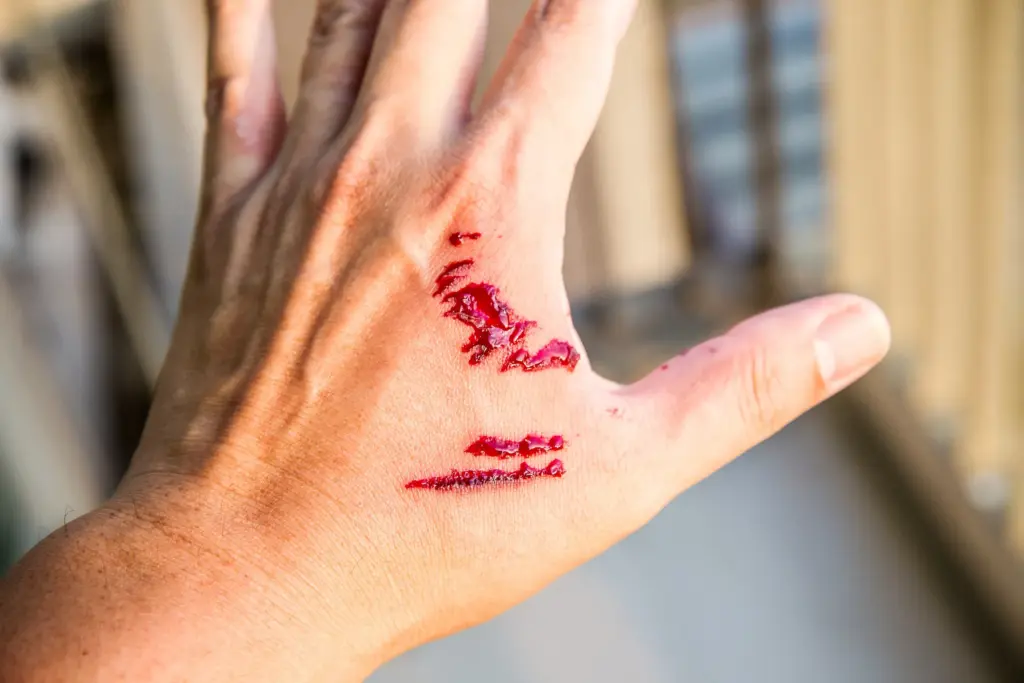 Proving responsibility in a dog bite case requires gathering substantial evidence to support your claim. Here are key pieces of evidence that can help establish liability:
- Medical Records: Detailed documentation of your injuries and treatment can demonstrate the severity of the bite and its impact on your health.
- Photographs: Images of your injuries, the scene of the incident, and the dog can provide visual proof of the attack.
- Witness Statements: Testimonies from people who saw the incident can corroborate your account and provide additional perspectives.
- Incident Reports: Official reports filed with local authorities or animal control can serve as critical documentation of the event.
- Dog’s History: Records of the dog’s previous behavior, including any past incidents of aggression, can help establish a pattern.
- Owner’s Compliance with Laws: Evidence showing whether the dog owner followed local leash laws and other regulations can impact liability.
- Expert Testimony: Expert opinions, such as from veterinarians or animal behaviorists, can provide insights into the dog’s behavior and the owner’s responsibility.
Collecting and presenting this evidence effectively can strengthen your case and improve your chances of receiving fair compensation. At Campos Law Group, we are experienced in gathering and utilizing evidence to build a compelling case for our clients.
Legal Defenses in Dog Bite Cases
In dog bite cases, legal defenses are critical in deciding who is responsible. In Texas, dog owners can use different defenses to challenge their liability, such as claiming they didn’t know their dog was aggressive or that they followed animal control laws. Understanding these defenses is important for anyone pursuing a dog bite claim.
Two common defenses are the provocation defense and the trespassing defense. These defenses can greatly affect the outcome of a case, influencing whether the dog owner is held liable and the compensation the victim might receive. By exploring these defenses, victims can better prepare for the challenges they might face in their legal journey.
Provocation Defense
The provocation defense is used in dog bite cases to claim that the victim’s actions led to the dog attack.
In Texas, actions considered as provocation include:
- Teasing the dog
- Torturing the dog
- Abusing the dog
- Assaulting the dog
If it’s proven that the victim provoked the dog, the owner’s liability can be reduced or even eliminated.
It’s important to understand that simply walking by or accidentally startling a dog does not count as provocation. Texas law recognizes that dogs may react aggressively when genuinely provoked, which can affect liability decisions and the outcomes of dog bite cases.
Trespassing Defense
The trespassing defense plays a crucial role in dog bite cases. If someone is bitten while trespassing on a property, neither the property owner nor the dog owner is typically held liable. This is because property owners are not required to ensure the safety of trespassers, often leading to the dismissal of liability claims in such situations.
For the trespassing defense to be effective, property owners need to demonstrate that the victim was indeed trespassing and that they had taken reasonable safety measures, such as securing the dog and posting ‘Beware of Dog’ signs. This defense underscores the importance of respecting property boundaries and highlights the legal consequences of unauthorized entry in dog bite cases.
Steps to Take After a Dog Bite Incident
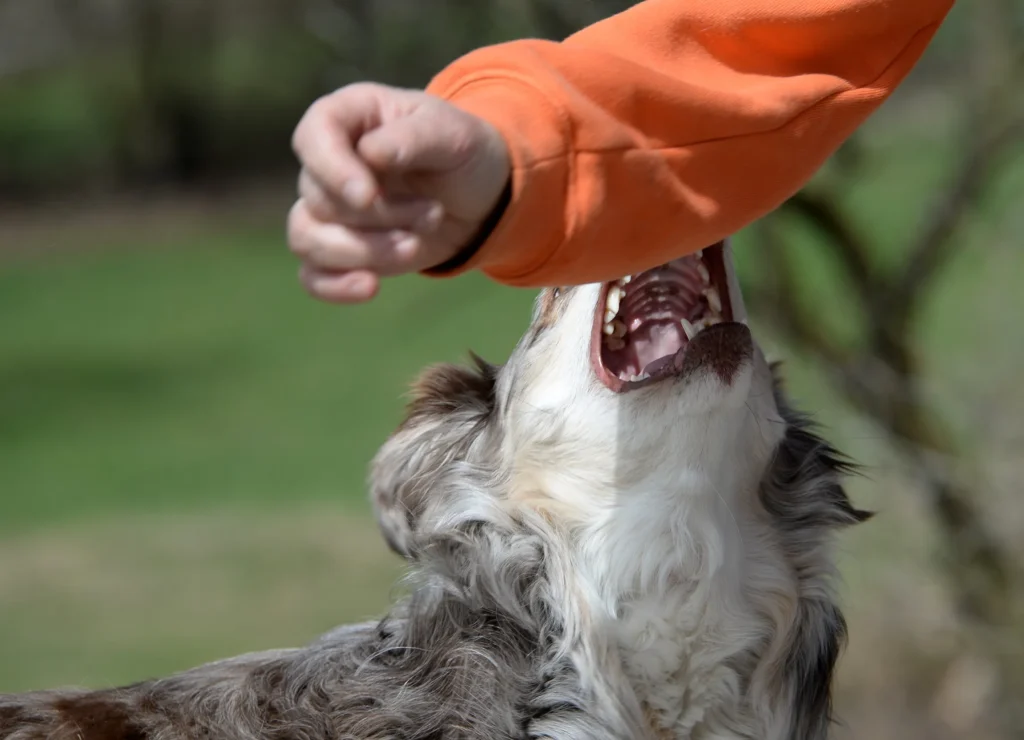 Experiencing a dog bite can be traumatic, but knowing the immediate steps to take is critical for your health and legal standing. Here’s what you should do:
- Seek Medical Attention: Prioritize your health by getting medical care for any injuries sustained. Untreated injuries can lead to serious complications, so it’s vital to address them promptly.
- Report the Incident: Notify local animal control authorities about the dog bite. This initiates an investigation and officially documents the event.
- Gather Evidence: Collect information such as medical records, witness testimonies, and photographs of your injuries and the scene. This documentation is essential for strengthening your dog bite claim.
- Document Lost Wages: Keep track of any work missed due to your injuries. This information is important for claiming compensation for lost wages.
- Consult a Lawyer: Seek a free consultation with a legal professional to discuss your options and ensure you understand your rights under Texas law.
Taking these steps can help protect your rights and lay the groundwork for a successful dog bite claim. Remember, acting swiftly and methodically is key to navigating the aftermath of a dog bite incident. At Campos Law Group, we are dedicated to assisting you through each step, ensuring that your rights are safeguarded and your case is handled with the utmost care.
Filing a Dog Bite Claim in Texas
Filing a dog bite claim in Texas involves a few key steps and following specific legal deadlines. Under Texas law, you have up to two years from the date of the dog bite incident to file a lawsuit for compensation. This timeframe allows you to gather the necessary evidence and build a strong case.
You can seek compensation either through a homeowner’s insurance claim or by filing a lawsuit. It’s important to collect photographs of your injuries and the location of the attack, as these will be valuable in any legal proceedings. Once you have all the necessary documentation, the next step is to send a demand letter to the dog owner’s insurance company to start the compensation process.
Reporting Dog Bites to Authorities
Reporting dog bites is helpful for public safety and to keep track of potentially dangerous animals. In Austin, you must report all dog bite incidents to Animal Protection. This helps control dangerous dogs and ensures there’s an official record, which is important for any legal actions that might follow.
Reporting the bite can also help prevent future incidents by identifying and keeping an eye on dogs that pose a risk to the community. It’s a key step in maintaining public health and safety. Informing local authorities helps create a safer environment for everyone.
Compensation for Dog Bite Injuries
If you’ve been bitten by a dog in Texas, you have the right to seek compensation for a wide range of damages. Understanding the types of compensation available can help you recover fully from your injuries:
- Medical Expenses: This includes all costs related to medical treatment, such as emergency room visits, hospital stays, surgeries, medications, and ongoing medical care.
- Lost Wages: If your injuries prevent you from working, you can claim compensation for the income you have lost during your recovery period.
- Future Loss of Earning Capacity: If the dog bite results in long-term or permanent disabilities that affect your ability to work, you may be entitled to compensation for future earnings you will miss out on.
- Pain and Suffering: This covers the physical pain and discomfort you face due to the dog bite injuries.
- Emotional Distress: Compensation for psychological impacts, such as anxiety, depression, or post-traumatic stress disorder (PTSD), resulting from the attack.
- Loss of Consortium: If the injuries affect your relationship with your spouse or family, you may be eligible for compensation for loss of companionship or support.
- Disfigurement and Scarring: If the dog bite leaves you with visible scars or disfigurement, you can claim compensation for the impact on your appearance and self-esteem.
- Property Damage: If any personal property was damaged during the dog attack, such as clothing or accessories, you can seek compensation for repair or replacement costs.
- Reduced Quality of Life: If your injuries lead to a diminished ability to enjoy life’s activities, you may receive compensation for this loss.
- Exemplary Damages: In cases where the dog owner acted with extreme negligence or malice, you might be eligible for exemplary damages, which provide additional compensation as a form of punishment to the owner.
The amount of compensation you receive will depend on the severity of your injuries and their impact on your life. Keeping detailed medical records and maintaining a recovery journal can help demonstrate the extent of your injuries and strengthen your compensation claim.
How Campos Law Group Can Help You
 At Campos Law Group, our personal injury lawyers understand the challenges and stress that come with dealing with a dog bite incident. Our firm is dedicated to providing compassionate and knowledgeable legal support to help you navigate the complexities of Texas’s dog bite laws. What sets us apart is our personalized approach to each case, ensuring that we address your specific needs and circumstances.
Our team of experienced attorneys is committed to fighting for your rights and securing the compensation you deserve. We offer a comprehensive strategy that includes thorough investigation, evidence collection, and aggressive negotiation with insurance companies. Our goal is to alleviate your burden, allowing you to focus on your recovery while we handle the legal intricacies of your case.
Choosing Campos Law Group means choosing a partner who genuinely cares about your well-being and is determined to achieve the best possible solution for you. We invite you to take the first step towards justice by contacting us for a free consultation. Call us today at 512-233-6947 to discuss your legal options and let us be your advocate in this challenging time.

Free Consultation
” * ” Indicates Required Fields
"*" indicates required fields

