
AVAILABLE 24/7 | FREE INITIAL CONSULTATION
What Am I Liable for If My Dog Bites Someone?
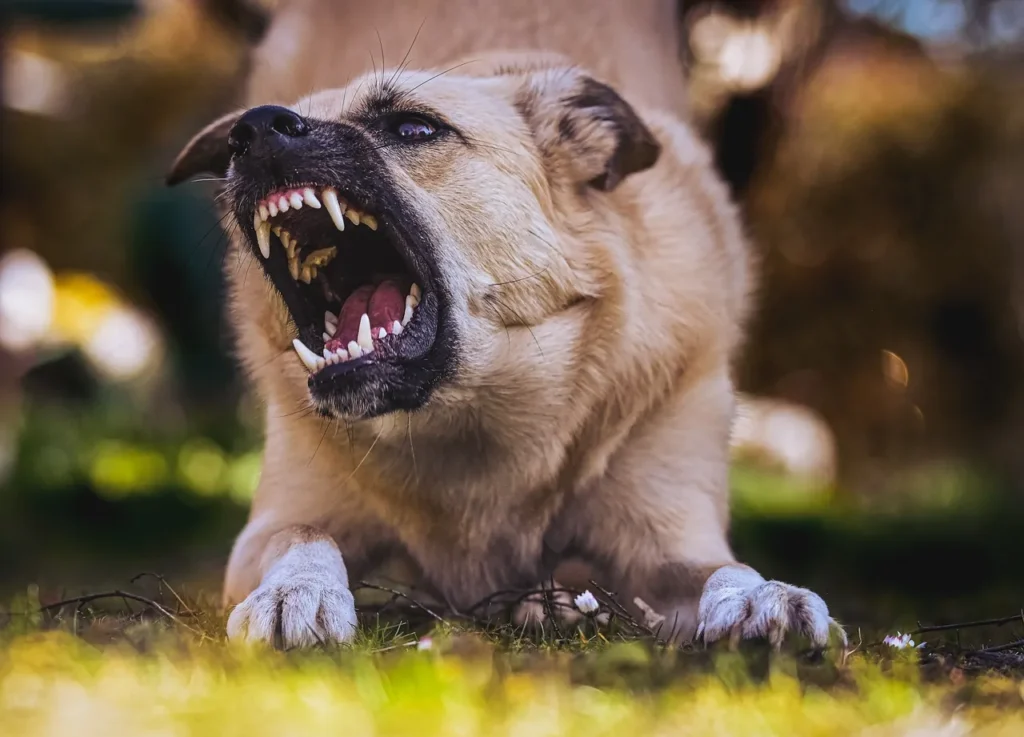 Owning a dog comes with important legal responsibilities. In Texas, dog owners can be held liable for dog bites, depending on the situation. Liability means you are legally responsible if your dog bites someone, which can lead to expensive medical bills, legal costs, and even criminal charges. For example, if your dog has shown aggression before or if you didn’t secure your dog properly, you might be strictly liable for any injuries caused.
At Campos Law Group, we know that dealing with the legal aspects of dog bite cases can be daunting. That’s why we offer free consultations to help you understand your rights and responsibilities. Don’t wait until it’s too late—contact us today at 512-233-6947 to ensure you’re informed and protected. Our skilled dog bite injury attorneys are ready to help you with any dog bite claim, ensuring you get fair compensation and peace of mind.
Texas Dog Bite Laws Overview
Texas has specific laws about dog bite incidents that both dog owners and victims need to understand. One important aspect is the One-Bite Rule. This rule can protect dog owners if their dog has never shown aggression before. It gives owners a chance to learn about their dog’s behavior without facing legal trouble for the first bite. This rule aims to balance the interests of both owners and potential victims.
However, the One-Bite Rule doesn’t completely free owners from responsibility. If it can be shown that the owner knew about the dog’s aggressive behavior or if the dog had bitten someone before, the owner could be held liable.
In some cases, Texas also applies the principle of strict liability. This means dog owners are automatically responsible for injuries their dog causes, regardless of negligence. Here, victims only need to prove that the dog’s actions caused their injury to get compensation, without needing to show negligence.
In Texas, if your dog bites someone, it’s crucial to know what you might be responsible for. Here’s a simple breakdown of potential liabilities you could face:
- Medical Expenses: You may be responsible for covering all medical bills incurred by the dog bite victim. This includes emergency room visits, surgeries, medications, and any necessary follow-up treatments.
- Pain and Suffering: Compensation may be required for the victim’s physical and emotional distress caused by the dog bite. This can include therapy or counseling for trauma and anxiety.
- Lost Wages: If the victim is unable to work due to injuries from the dog bite, you could be liable for their lost wages. This includes both past income and potential future earnings if the victim’s ability to work is permanently affected.
- Permanent Scarring or Disfigurement: In cases where the bite results in lasting scars or disfigurement, you might be liable for damages related to the victim’s diminished quality of life or self-esteem.
- Property Damage: If the dog bite incident results in damage to the victim’s personal property, such as clothing or electronics, you may be responsible for repair or replacement costs.
- Legal Costs: Should the victim pursue a legal claim, you might be liable for their attorney fees and court expenses if the case is ruled in their favor.
- Punitive Damages: In situations where your actions are deemed particularly negligent or malicious, the court may impose punitive damages to punish and deter similar future behavior.
- Loss of Consortium: If the victim’s injuries affect their relationship with their spouse or family, you could be liable for compensating the impact on their personal life.
- Compliance with Local Regulations: Failure to adhere to local laws, such as leash requirements or secure enclosures, can increase your liability.
Understanding these potential liabilities can help dog owners take the right steps to prevent incidents and protect themselves legally. At Campos Law Group, we provide guidance and support for dog owners dealing with these issues. Reach out to us for a free consultation to discuss your situation and explore your legal options.
Understanding Owner Liability
Dog owners must be aware of their legal duties to prevent their pets from causing harm. In dog bite cases, liability often depends on negligence, which refers to not taking proper care to prevent an incident. Several factors can influence liability, such as the owner’s knowledge of the dog’s behavior, the circumstances of the incident, and the victim’s actions.
Austin’s regulations significantly affect owner liability. The city requires that dog enclosures be secure, adequately sized, and clean. Additionally, dogs must not roam freely, as allowing them to do so can greatly increase an owner’s liability in bite cases. If a dog is classified as vicious, it can result in stricter legal consequences and affect compensation claims against the owner.
The Health Authority in Austin oversees safety rules for guard dogs, ensuring compliance and conducting inspections. Properties with guard dogs must have warning signs posted to alert the public. Furthermore, guard dogs need identification tags from the local health authority to link them to their owners. These measures aim to protect the public and ensure dog owners are accountable for their pets’ actions.
Knowing a dog’s potential for aggression can greatly impact liability in legal cases. Using harsh training methods is prohibited in Austin and can be a factor in determining owner negligence in bite incidents. Chronic noise from a dog might indicate distress or poor control, affecting owner liability in dog bite cases. By adhering to these regulations, dog owners can minimize risks and avoid legal repercussions.
Can Past Instances of Good Behavior Reduce Liability for a Dog Owner?
A dog’s history of good behavior can play a role in a dog bite case. Texas follows the One-Bite Rule, which might protect dog owners if their dog has never shown aggression before. If a dog has consistently behaved well in various situations, this can support the owner’s defense by showing a lack of negligence or aggression.
However, good behavior in the past doesn’t completely free a dog owner from responsibility. The specific details of the incident, including what the owner did or didn’t do at the time, are critical in determining liability. While a history of good behavior can help, it must be considered alongside other evidence and the context of the incident.
It can be helpful to keep records of their dog’s behavior, such as obedience training certificates or testimonials from trainers and veterinarians. At Campos Law Group, our seasoned personal injury attorneys can assist dog owners in navigating the complexities of dog bite cases, ensuring all relevant factors, including past behavior, are effectively presented in their defense.
Proving Negligence in Dog Bite Cases
Establishing negligence is crucial for victims seeking compensation in dog bite cases. To prove negligence, several elements must be demonstrated:
- Duty of Care: The dog owner owed a duty of care to the victim. This means the owner had a responsibility to exercise reasonable care to prevent their dog from causing harm.
- Breach of Duty: The owner breached this duty by failing to act as a reasonable dog owner would. For example, if the dog was left unattended or not leashed in potentially dangerous situations, this can support claims of negligence.
- Causation: There must be a direct link between the owner’s breach of duty and the injuries sustained by the victim. The victim must show that the owner’s actions, or lack thereof, directly caused the incident.
- Damages: The victim must have suffered actual damages as a result of the dog bite. This includes medical expenses, emotional distress, lost wages, and other related costs.
Evidence is key in proving negligence in dog bite cases. Witness testimonies and statements play an essential role in supporting the victim’s account of the incident. These pieces of evidence help build a strong case by showing that the dog owner’s negligence led to the bite.
Texas law considers the context of each incident, including how much control the owner had over their dog during the attack. It’s also critical to understand that if the victim was partly responsible for the incident, it might affect their claim. However, it must be proven that the victim’s actions did not significantly contribute to the attack.
Given the difficulties of these cases, Campos Law Group can guide you through the process. Our experience in handling dog bite cases ensures that you receive the best possible advice and representation. By working with us, you can navigate the legal complexities and secure fair compensation for any injuries or damages sustained.
Steps to Take After a Dog Bite Incident
If you or someone you know is involved in a dog bite incident, it’s important to act quickly to protect both health and legal rights.
- Seek Immediate Medical Attention: Prioritize getting medical treatment for dog bite injuries. Prompt care can prevent infections and other complications. Medical records also serve as essential legal documentation of the injuries.
- Identify the Dog and Its Owner: Try to gather information about the dog and its owner. This includes the owner’s contact details and any information about the dog’s vaccination history, particularly rabies.
- Report the Incident: Contact local animal control authorities to report the dog bite. This creates an official record and helps ensure the dog is properly monitored or quarantined if necessary.
- Document the Scene: Take photographs of the injuries, the location where the incident occurred, and any visible identifiers of the dog. This visual evidence can be critical in legal proceedings.
- Collect Witness Statements: If there were any witnesses to the incident, gather their contact information and ask them to provide statements. Witness testimonies can support your version of events in a legal context.
- Consult an Austin Dog Bite Lawyer: Seek legal advice from a skilled attorney to understand your rights and potential claims. A lawyer can guide you through the legal process and handle communications with insurance companies.
- Maintain Detailed Records: Keep track of all medical treatments, expenses, and any missed work or emotional distress resulting from the incident. This documentation is vital when pursuing compensation.
- Avoid Direct Communication with the Dog’s Owner: Let your attorney manage any necessary interactions with the dog’s owner or their insurance company to avoid compromising your claim.
- Follow Up on Medical Care: Ensure you attend all follow-up appointments and adhere to medical advice. Continued medical documentation is important for your health and legal case.
- Consider Emotional and Psychological Impact: Recognize and document any emotional distress or psychological effects, such as anxiety or PTSD, that may result from the attack.
Following these steps can help you protect your health and strengthen your legal case. At Campos Law Group, we are here to support you through this challenging time.
Defenses Against Dog Bite Claims
Dog owners facing dog bite claims have several defenses they can use, which can greatly influence the case’s outcome.
- Provocation: The owner may argue that the victim provoked the dog, leading to the bite. If the victim is found to have provoked the dog, this can reduce the owner’s liability and weaken the victim’s claim.
- Trespassing: If the victim was trespassing on the dog owner’s property at the time of the bite, it can serve as a substantial defense against the claim. Trespassing implies that the victim was unlawfully on the property, which can shift the responsibility away from the dog owner.
- Assumption of Risk: This defense applies if the victim voluntarily assumes the risk of being bitten, such as knowingly interacting with a dangerous dog.
- Contributory Negligence: If the victim’s actions contributed to the incident, this can reduce or even eliminate the owner’s liability. This defense argues that the victim failed to exercise reasonable care for their safety.
- Compliance with Local Laws: If the dog owner adhered to all local regulations regarding pet control, such as leash laws or secure enclosures, this compliance can be used as a defense.
- No Prior Knowledge of Aggression: Under the One-Bite Rule, if the owner had no prior knowledge of the dog’s aggressive tendencies, they might not be held liable for the first incident.
- Self-Defense: If the dog was defending itself, its owner, or its territory from an immediate threat, this can be a valid defense.
Dog owners need to understand these defenses to effectively handle dog bite claims and protect their legal rights. Being aware of these defenses helps owners prepare for legal challenges and ensure they have proper representation in court. At Campos Law Group, our skilled personal injury attorneys understand these defenses and can provide clear guidance to dog owners dealing with legal challenges. We offer a free consultation to discuss your situation and help you develop an effective defense plan.
What Types of Evidence Can Prove Your Dog Didn’t Bite?
Defending against a dog bite claim requires gathering evidence that supports the assertion that your dog was not involved in the incident. Key types of evidence that can help prove your dog’s innocence include:
- Witness Testimonies: Collect statements from individuals who can verify your dog’s whereabouts at the time of the alleged bite. Witnesses who can confirm your dog’s non-aggressive nature can also be valuable.
- Surveillance Footage: Look for any surveillance cameras in the area that might have captured the incident. This footage can provide an objective account of the events and potentially show that your dog was not involved.
- Veterinary Records: Provide records that detail your dog’s vaccination history and any behavioral assessments from veterinarians, which can demonstrate a lack of aggressive tendencies.
- Alibi Evidence: If your dog was with you or someone else at a different location during the time of the alleged incident, provide evidence to support this, such as receipts, photos, or GPS data.
- Animal Control Reports: Obtain reports from local animal control authorities that might show your dog has no history of aggression or previous complaints.
- DNA Evidence: In some cases, DNA testing can be used to prove that the bite did not come from your dog, especially if there is biological evidence available from the incident.
Gathering and presenting this evidence effectively can help clear your dog’s name and protect you from unwarranted liability. At Campos Law Group, our experienced personal injury attorneys can assist you in compiling the necessary documentation and building a strong defense. We offer a free consultation to help you navigate the legal process and ensure your rights are protected.
How Campos Law Group Can Help You
At Campos Law Group, we recognize the challenges and emotional stress that dog bite cases can cause. Our approach combines caring client support with strong legal advocacy, ensuring you receive the assistance and compensation you need. We focus on personalized service and have a thorough understanding of Texas dog bite laws.
Our experienced personal injury attorneys have a successful history in managing dog bite claims. We are dedicated to creating a strategic plan tailored to your unique situation, increasing your chances of a positive outcome. With Campos Law Group on your side, you can concentrate on recovery while we take care of the legal details.
Take control of your future. Reach out to Campos Law Group today for a free consultation and let us guide you through the legal process confidently. Call us at 512-233-6947 to begin your journey toward justice and fair compensation.

Free Consultation
” * ” Indicates Required Fields
"*" indicates required fields

