
AVAILABLE 24/7 | FREE INITIAL CONSULTATION
I Have PTSD After a Car Accident: What Now?
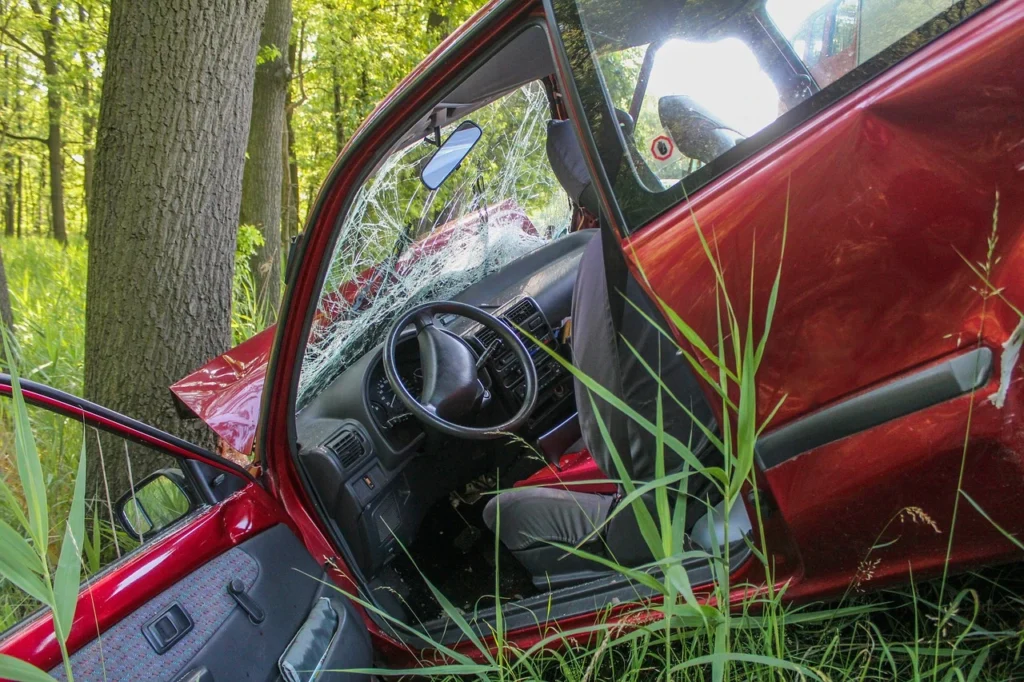 Experiencing PTSD after a car accident in Austin can profoundly affect not only your life but also your legal rights to compensation. The repercussions of such a traumatic event can extend far beyond physical injuries, influencing your emotional and psychological well-being. This can, in turn, impact your ability to work, engage in social activities, and enjoy life to its fullest. Understanding your rights in these circumstances is crucial, as it can lead to compensation that covers not just medical expenses but also addresses the emotional and mental distress you’ve endured.
At Campos Law Group, we have experience in dealing with a myriad of accidents and legal issues. Let us be your advocate. Call us today at 512-233-6947 to set up a free consultation, or to speak with one of our experienced car accident lawyers in Austin, TX.
Understanding PTSD and Its Link to Car Accidents
Post-traumatic stress disorder (PTSD) is a mental health condition triggered by exposure to a terrifying event, such as a serious car accident. The connection between PTSD and car accidents is stronger than you’d think. In fact, car accidents are the leading cause of PTSD among the civilian population in the U.S.
PTSD’s development hinges on several factors, including the accident’s severity, the presence of physical injuries, and an individual’s psychological resilience. Known symptoms include vivid flashbacks to the moment of the crash, anger, mood changes, intrusive thoughts or images of the accident, and nightmares. These symptoms can surface within a month of the accident or may have a delayed onset, appearing up to a year after the incident.
Grasping the link between PTSD and car accidents plays a significant role in acknowledging the disorder’s impact and finding the appropriate support. It’s not just about physical injury; it’s about addressing the unseen wounds that can drastically alter your life.
Recognizing PTSD Symptoms
 Identifying PTSD symptoms is a vital step towards pursuing the right treatment and support. The symptoms typically manifest within three months of the traumatic event, although they may surface at a later time. Early detection is key in managing symptoms and improving overall well-being.
Common symptoms of post-traumatic stress disorder (PTSD) following a car accident include:
- Intrusive thoughts or images of the accident
- Rage or anger
- Mood swings
- Struggling with nightmares
Experiencing these symptoms can be distressing, but it’s important to remember that help is available. If you’re experiencing any of these symptoms following a car accident, feel confident in seeking help from a medical or legal professional. You’re not alone in this battle.
The Impact of PTSD on Daily Life
PTSD doesn’t just disappear when the physical scars heal. It weaves itself into the fabric of daily life, affecting work, relationships, and overall well-being. PTSD can impair your ability to concentrate, make decisions, and engage with colleagues, making it increasingly challenging to maintain productivity in the workplace.
Interpersonal relationships may also suffer, with PTSD leading to difficulties in trust, closeness, communication, and problem-solving. PTSD’s impact on general well-being is profound, encompassing anxiety, depression, physical symptoms like increased blood pressure and fatigue, sleep disorders, fear of recurrence, and more.
Given its wide-ranging effects, gaining an understanding of PTSD and finding the right support is of utmost importance.
Legal Rights for PTSD Sufferers in Austin Car Accidents
If you’re a PTSD sufferer following a car accident in Austin, you might be wondering about your legal rights. You’ll be relieved to hear that you might be entitled to compensation for:
- your medical expenses
- lost wages
- pain and suffering
- other related damages
The process of claiming this compensation involves working with an Austin car accident injury attorney and dealing with the insurance company. This legal professional can guide you through the process, helping you pursue financial recovery through a car accident settlement. Obtaining the justice you deserve starts with comprehending your legal rights.
PTSD as Part of Your Personal Injury Claim
When filing a personal injury claim following a car accident, including PTSD in your claim can significantly influence the total compensation amount. To do this, you’ll need to establish the presence of PTSD through various types of evidence, such as witnesses like psychiatrists, fact witnesses, and medical evidence.
A PTSD diagnosis may lead to increased compensation depending on the disorder’s severity. Thus, solidifying PTSD and its connected damages through testimony becomes critical, as it will inform the overall damage assessment and the value placed on PTSD’s impact on everyday life. In Austin, Texas, the legal system acknowledges PTSD as a frequent occurrence in personal injury claims, especially those related to car accidents.
The Role of a Personal Injury Lawyer in PTSD Claims
 When handling PTSD claims, personal injury lawyers play a pivotal role. They:
- Guide clients through legal proceedings
- Collect evidence
- Engage in negotiations with insurance firms
- Advocate for their clients’ rights to secure just compensation.
Typically, a personal injury lawyer manages a PTSD claim by compiling evidence, offering insights into the legal procedure, and if required, representing the case in court. Their goal is to understand the intricacies of the claim, gather the necessary evidence, and demonstrate that the victim experienced an event that threatened death or serious injury, a crucial component in proving the claim.
Calculating Compensation for PTSD After a Car Accident
Compensation for PTSD after a car accident includes two main types of damages: economic and non-economic. The monetary value for economic damages is determined through the multiplication of the economic damages by a multiplier, usually falling within the range of 1.5 to 5, based on the severity of the injuries.
Non-economic damages, on the other hand, can encompass:
- pain
- emotional anguish
- humiliation
- other intangible losses suffered by the victim
The monetary value for these damages is determined based on the severity and permanence of the injuries, and through approaches that assign a monetary value to these intangible losses.
Economic Damages and PTSD
Economic damages in a personal injury claim encompass tangible financial losses incurred as a result of the injuries sustained. These may include medical expenses and lost wages.
To calculate these damages, you’ll need to include your medical bills and other expenses related to the injury, as well as your lost wages. A lawyer can help create a future medical cost calculator to estimate the value of the claim. The goal is to prevent any financial strain resulting from your ordeal. This is where Campos Law Group can come into play, guiding you every step of the way.
Non-Economic Damages: Valuing Mental Anguish
Non-economic damages in personal injury cases encompass compensation for subjective, non-monetary losses such as pain and suffering, emotional distress, and loss of enjoyment of life. These are arguably the most challenging damages to quantify, given their subjective and intangible nature.
Courts generally use the multiplier method to estimate the value of mental anguish, taking into account the intensity of the pain and suffering. While this method may not provide a perfect figure, it serves as a starting point in calculating the monetary value of the mental and emotional suffering endured due to PTSD.
Gathering Evidence to Support a PTSD Claim
 The success of your PTSD claim hinges on the strength of your evidence. To establish PTSD in a personal injury claim, you’ll need various types of evidence, which can include:
- Informed witnesses like psychiatrists
- Fact witnesses
- Medical evidence
- Demonstrative evidence such as photos and videos.
Medical records, professional judgments, personal narratives, and witness testimonies make up the critical elements of a persuasive PTSD claim. They offer a comprehensive understanding of your experiences, ensuring that your claim accurately represents the true impact of the trauma.
Medical Records and Professional Opinions
Medical records and professional opinions are crucial types of evidence in a PTSD claim. These records provide concrete evidence of the diagnosis and treatment received, crucial in validating your claim.
A professional opinion from a treating psychiatrist or psychologist is another critical piece of evidence in a PTSD claim. These professionals offer testimony and documentation that validate the diagnosis of PTSD and explain its impact on you, which can significantly influence jurors and decision-makers.
Personal Accounts and Witness Statements
 Personal accounts and witness statements offer additional support for a PTSD claim. They provide a comprehensive understanding of your experiences, ensuring your claim accurately represents the impact of the trauma.
Witness statements offer:
- Objective evidence and an impartial viewpoint on the traumatic incident
- Establishing accountability
- Filling in informational voids
- Demonstrating changes in your capabilities before and after the event.
These personal accounts and witness statements can solidify your claim, painting a comprehensive picture of your post-accident reality.
Successful Lawsuit Stories: PTSD After Car Accidents
The road to recovery following a car accident-induced PTSD may seem daunting, but rest assured, there’s a silver lining. Numerous individuals have successfully obtained financial compensation for PTSD following car accidents, showcasing the potential of a well-handled PTSD claim.
The success of these claims can largely be attributed to the acknowledged risk of developing PTSD following severe motor vehicle accidents and the significance of treatment in the rehabilitation process for car accident victims. It’s these factors, handled by legal professionals, that have led to successful lawsuit stories, offering hope to many victims.
Steps to Take if You’re Experiencing PTSD Following an Accident
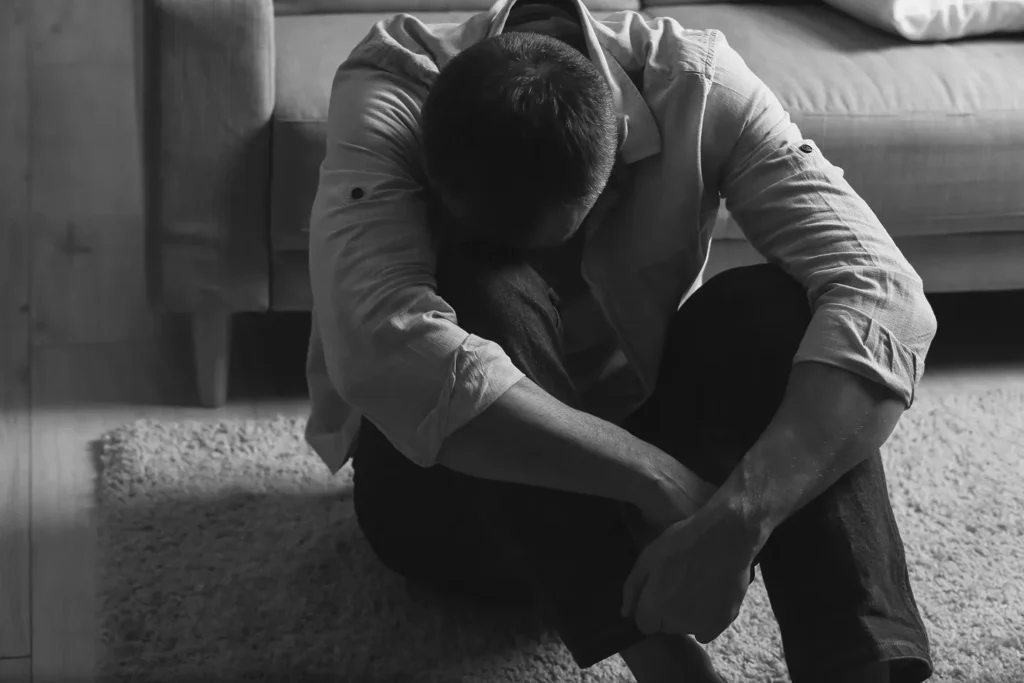 If you find yourself grappling with PTSD after a traumatic car accident, it’s essential to take proactive steps towards healing and legal reparation. Self-care should be your top priority during this time, and it’s important to practice patience with your recovery process, embrace self-love to rebuild your self-esteem, and seek social support from friends, family, or support groups who can provide comfort and understanding.
It is crucial to secure medical treatment as soon as possible. Mental health professionals, including psychiatrists or psychologists, are trained to help you navigate the complex emotions and symptoms associated with PTSD. They can offer evidence-based treatments such as cognitive behavioral therapy (CBT), which helps in restructuring negative thought patterns, and eye movement desensitization and reprocessing (EMDR), a specialized therapy designed to alleviate distress associated with traumatic memories. These therapies have been proven effective in treating PTSD symptoms that arise specifically from car accidents, assisting individuals in processing their trauma in a healthy way.
In addition to therapy, medications prescribed by a psychiatrist can also play a role in managing symptoms such as anxiety, depression, and sleep disturbances. Engaging in regular physical activity and mindfulness practices like meditation can further support your mental health.
On the legal front, it’s advisable to document your experiences and symptoms meticulously as they can be critical in a personal injury claim. Consider keeping a journal to record your daily struggles and triumphs, as this can provide valuable evidence of the impact PTSD has on your life. Consult with a qualified personal injury attorney, like at Campos Law Group, who specializes in PTSD cases related to car accidents to explore your options for claiming compensation for your suffering, medical expenses, and any lost wages due to the inability to work.
Remember, acknowledging your condition and seeking help is a sign of strength, not weakness. By taking these steps, you can begin to reclaim your life after the accident and ensure that your rights are fully protected.
How Campos Law Group Can Help You
 Returning to life after a car accident-induced PTSD can be challenging, but understanding your rights and potential compensation can make the journey a little less daunting.
In the midst of the emotional turmoil and legal issues, you don’t have to face this battle alone. We, the team at Campos Law Group, are ready to support you. With a focus on various aspects of Texas law, particularly in handling personal injury cases stemming from auto accidents that may result in PTSD, we’re dedicated to fighting for your rights.
Our pride lies in our dedication to our clients’ welfare and our steadfast commitment to protecting their legal rights. We will meticulously examine your case, collect pertinent evidence, and develop a strong legal plan customized to enhance your prospects of obtaining complete and equitable compensation for your PTSD and associated injuries. Let us handle the legalities and dealings with insurance companies. You can focus on your recovery.
Remember, you’re not alone in this battle. With the right support, legal guidance, and determination, you can overcome this challenging time and secure the justice you deserve. Together, we can turn your traumatic experience into a story of resilience and recovery. If you require legal assistance, call us today at 512-233-6947 to set up a free consultation.
Frequently Asked Questions
How much compensation for PTSD after a car accident?
The compensation for PTSD after a car accident varies depending on the severity and frequency of symptoms experienced. There is no predetermined sum, and the amount awarded may also include financial compensation for pain and suffering.
What to do if you have PTSD from a car accident?
To cope with PTSD from a car accident, be patient with yourself, seek social support, practice mindfulness, increase resilience, and consider alternative transportation options. It’s important to follow up with your doctor about injuries and stay physically active to aid in recovery.
How long can PTSD from a car accident last?
PTSD symptoms from a car accident may go away within weeks or months, but they may also last for years, especially if not properly treated.
What is PTSD and how is it linked to car accidents?
PTSD, triggered by exposure to terrifying events like car accidents, can lead to symptoms such as vivid flashbacks, anger, mood changes, and nightmares. It’s a mental health condition linked to traumatic experiences.
What are my legal rights as a PTSD sufferer following a car accident in Austin?
As a PTSD sufferer following a car accident in Austin, you may have legal rights to receive compensation for medical expenses, lost wages, pain and suffering, and other related damages. Make sure to seek professional legal advice to understand the options available to you.
Can PTSD from a car accident be considered a disability?
Yes, PTSD from a car accident can be considered a disability, especially if it significantly impairs your ability to perform daily activities or maintain employment. It’s important to consult with medical and legal professionals to document your condition and understand your rights under disability laws.
Can PTSD impact my ability to drive again after an accident?
Yes, PTSD can impact your ability to drive after an accident. Symptoms such as anxiety, hypervigilance, and flashbacks can make driving stressful or trigger fear responses. It’s essential to seek treatment and gradually reintroduce yourself to driving in a safe and controlled manner, possibly with the help of a professional.

Free Consultation
” * ” Indicates Required Fields
"*" indicates required fields

