
AVAILABLE 24/7 | FREE INITIAL CONSULTATION
How Do I File A Forklift Accident Claim?
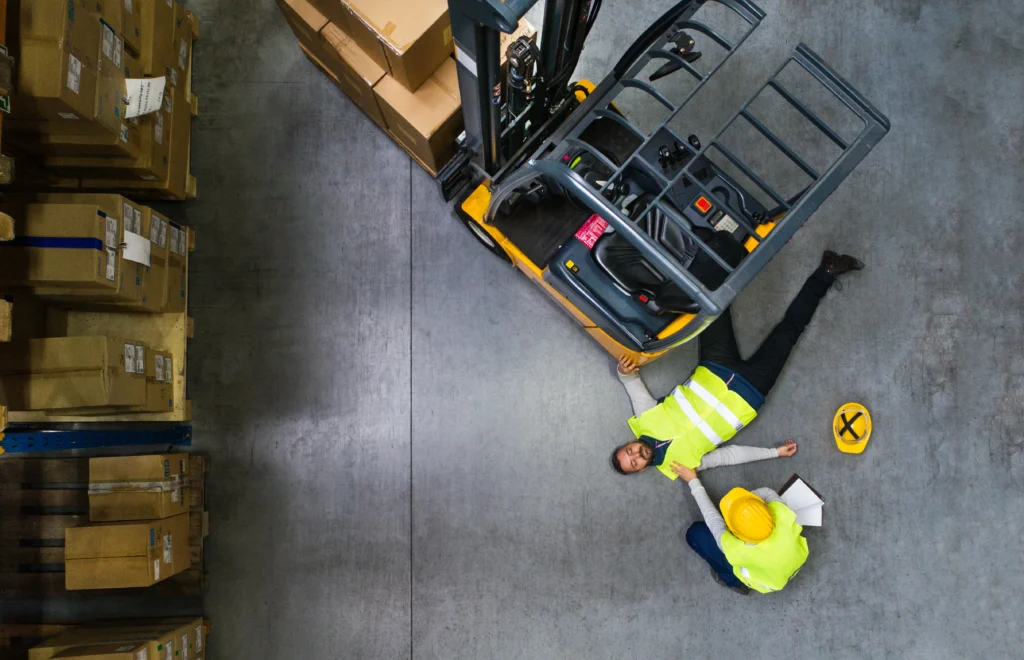 If you’ve been involved in a forklift accident, it’s essential to understand the process of filing a claim to ensure you receive the compensation you deserve. Accidents involving forklifts can be particularly dangerous, often leading to serious injuries or even fatalities due to the heavy machinery and loads involved. These incidents can result from a variety of factors, including operator error, mechanical failure, or unsafe work environments.
These types of accidents can be complicated, but with the right guidance, you can understand the legal landscape with confidence. For personalized assistance with your forklift accident claim, don’t hesitate to contact Campos Law Group at 512-233-6947 for legal support and a free consultation.
Forklift Accident Claims
Forklift accidents, including forklift truck accidents, can occur under various circumstances, from operator error to mechanical malfunctions and unsafe working conditions. Perhaps a worker was struck by a forklift, fell off an elevated pallet, or experienced a rollover incident in a cluttered workspace or on an unstable surface. Whatever the scenario, it’s crucial to understand the legal grounds for filing a forklift accident claim related to forklift accident injuries involving forklift accidents forklifts.
Common grounds for such a claim include:
- Operator error, such as misjudging distances, not adhering to speed limits, or failing to properly communicate with other workers in the vicinity
- Mechanical malfunctions like brake failures, hydraulic issues, or malfunctioning warning signals that can lead to loss of control or unexpected forklift movements
- Unsafe working conditions, including cluttered aisles, poor lighting, lack of proper signage, or insufficient training on safety protocols
The broader spectrum of unsafe working conditions can also form the basis of accident claims.
In some instances, victims may have the option to pursue third-party claims. If your accident was caused by defective machinery, the manufacturer could potentially be held liable under product liability laws. Regardless of the specifics, an experienced forklift accident lawyer can help you through these issues.
Unsafe Working Conditions
Unsafe working conditions are a significant concern in the context of forklift operations, often setting the stage for perilous incidents. These conditions may arise from a variety of negligent practices such as poorly maintained pathways, inadequate lighting, or the absence of necessary warning signs and barriers. Furthermore, a lack of comprehensive safety training for employees can lead to a misunderstanding of proper forklift operation and emergency procedures. Cluttered work areas not only impede the safe maneuverability of forklifts but also increase the risk of tipping accidents due to uneven or obstructed surfaces. Ensuring a safe work environment is not just a regulatory requirement but a moral imperative to protect the well-being of every individual on the floor.
Initiating Your Claim: First Actions to Take
Once a forklift accident has occurred, it’s crucial to take immediate action. Prioritizing your health is vital; not only for your well-being, but also for substantiating your claim. Seeking immediate medical attention can provide critical records that act as evidence.
Furthermore, it’s essential to officially report the injury to your employer as this is a requirement for all forklift accident claims, including workers’ compensation and personal injury claims. Simultaneously, thorough documentation of the accident scene is key as this information will play a significant role in substantiating your claim.
Documenting the Incident
The aftermath of an accident can be chaotic, but taking a few moments to document the incident can make a crucial difference in your claim. Collecting evidence such as photographs, witness statements, and physical evidence is key for supporting your claim.
Witness statements can provide third-party accounts of the incident, potentially corroborating your version of events. Additionally, ensuring any CCTV or surveillance footage of the accident is preserved can be instrumental in establishing the sequence of events leading to the injury.
Lastly, it’s crucial to preserve physical evidence from the accident scene, including damaged equipment or property.
The Importance of Preserving Physical Evidence
 Preserving physical evidence after a forklift accident is of paramount importance. It serves as tangible proof that can substantiate your account of the incident and provide concrete details that might not be captured through witness testimony alone. Physical evidence can include anything from the forklift itself, showing potential malfunctions or lack of maintenance, to environmental factors that might have contributed to the accident, such as slippery floors or obstructive debris.
This evidence is critical to analyze in order to reconstruct the accident and for attorneys to present during negotiations or in court. It can also help to establish liability by demonstrating the conditions that led to the accident, which might include negligence on the part of the employer, manufacturer defects, or other contributing factors. Without physical evidence, your claim may rely more heavily on anecdotal evidence, which can be less persuasive when seeking compensation for your injuries and losses.
Reporting to the Employer
Reporting the forklift accident to your employer is a critical step in the claims process. It’s crucial to comply with company policies and legal requirements and to prevent the employer from distancing your injuries from the job.
After the accident, promptly follow these steps:
- Find a supervisor and get medical assistance if necessary, or call 911 as part of the initial reporting process.
- Provide your employer with a written notice containing detailed information about when, where, and how the injury occurred.
- Remember, in New York, employers are required to report injuries to the Workers’ Compensation Board within ten days of the accident.
Complying with these steps can be pivotal in the workers’ comp claim process.
Navigating Workers’ Compensation and Personal Injury Claims
When seeking compensation for a forklift accident, there are two principal legal processes to consider: Workers’ compensation and personal injury claims. Each is tailored to the specific circumstances of the accident and its aftermath.
Most civilian employers are required to provide workers’ compensation, which is a form of no-fault insurance. This covers wage loss and medical expenses resulting from workplace accidents. However, there may be cases where workers’ compensation does not adequately cover all expenses or fully compensate the injured individual. In these cases, a personal injury lawsuit may be necessary.
Workers Compensation Claims
In Austin, workers’ compensation claims are governed by the Texas Workers’ Compensation Act, which aims to provide quick and fair compensation to employees who suffer work-related injuries or illnesses. If you’re an employee in Austin and have been involved in a forklift accident or any other workplace incident, it’s important to understand how to navigate the workers’ compensation system.
When filing a workers’ compensation claim in Austin, the first step is to report your injury to your employer as soon as possible. In Texas, you have 30 days from the date of the accident to inform your employer about the injury to preserve your right to benefits. Your employer should then file a report with the Texas Department of Insurance, Division of Workers’ Compensation (DWC).
The DWC oversees the workers’ compensation system in Texas and ensures that injured workers receive the necessary medical benefits and income support. As an injured worker, you have the right to receive medical treatment from a doctor of your choice, as long as the doctor is within the workers’ compensation network. Additionally, you may be entitled to receive Temporary Income Benefits (TIBs) if you are unable to work for more than seven days due to your injury.
It’s important to keep meticulous records of all medical treatments and correspondence related to your injury. If your claim is disputed by your employer or their insurance company, you may need to go through a dispute resolution process, which could involve Benefit Review Conferences, Contested Case Hearings, and potentially appeals.
Workers’ compensation in Austin also provides benefits for permanent impairment, if applicable. If you have experienced a permanent loss of function due to your injury, you may be eligible for Impairment Income Benefits (IIBs) based on the severity of your impairment as determined by a designated doctor.
Navigating the workers’ compensation system can be complex, and it may be in your best interest to consult with a knowledgeable workers’ compensation attorney who can guide you through the process and help protect your rights. The Campos Law Group in Austin is well-versed in Texas workers’ compensation law and can provide the experience and legal knowledge needed to ensure that you receive the benefits you’re entitled to after a workplace accident.
Personal Injury Lawsuit
 In some cases, a personal injury lawsuit may be a more suitable avenue to seek compensation. Liability in forklift injury claims can involve various parties, which may include:
- Manufacturers
- Vendors
- Operators
- Maintenance companies
- Employers
This depends on the cause of the accident that occurred and the potential for severe injuries, including traumatic brain injuries.
For example, a personal injury claim can be pursued if:
- Your employer shows gross negligence
- Extreme negligence from a third party is evident
- Parties such as forklift manufacturers, subcontractors, or property owners may be liable for creating conditions that led to the accident. In such cases, consulting a personal injury lawyer can be beneficial.
A claim may be filed against the liability insurance of the at-fault party, which typically is the employer’s insurance due to vicarious liability. If a fair settlement is not provided by the at-fault company’s insurance for the injury claim, legal action through a lawsuit can be initiated to seek compensation via court judgment.
Dealing with Insurance Companies
Dealing with insurance companies can be a difficult and stressful process. A forklift accident lawyer can help outline these murky waters, ensuring clients receive fair compensation and maintaining their privacy.
Client privacy is crucial and involves ensuring that investigation reports are not released without authorization. Our goal at Campos Law Group is to reduce these legal pains for clients, allowing them to concentrate on their recovery.
Communication Strategies
When communicating with insurance adjusters, there are key strategies to keep in mind. It is crucial to avoid admitting fault or making statements that could be interpreted as an admission of liability. Claimants should refrain from speculating about the causes of the accident and stick only to the known facts when communicating with insurance adjusters.
Limit your communication to factual information, including the location, time, and parties involved in the accident. Always ask insurance adjusters to identify themselves and document their information for future reference.
Experienced lawyers like the team at Campos Law know the ins and outs of communication with insurance companies and are able to keep everything organized so you don’t have to.
Settlement Negotiations
Settlement negotiations are a crucial part of the claims process. A fair settlement should cover all current (and future) medical expenses, lost wages, and compensate for pain and suffering.
An attorney can effectively communicate the seriousness of the claimant’s intent, ensure the claimant’s rights are protected, and negotiate with the insight that insurance companies may not prioritize the claimant’s interests. Patience is key in these negotiations; you should never admit fault, always stick to the facts, and refrain from accepting initial low offers.
Once a settlement is reached, your attorney will handle the compensation distribution, resolve any liens from medical providers or insurers, and ensure you receive the proper amount.
Legal Representation: Choosing a Forklift Accident Lawyer
Choosing a forklift accident lawyer can be a critical decision in your pursuit of compensation. Having legal representation in a forklift accident claim can lead to more favorable negotiations with insurance companies, indicating the impactful role of lawyers in these cases.
When selecting a lawyer to ensure effective representation and securing appropriate compensation for forklift accident cases, it is important to consider some of the following attributes:
- Strong negotiation skills
- Significant experience with forklift accident cases
- Communication skills
- Responsiveness
What to Look for in a Lawyer
When choosing a lawyer, there are key qualities to keep in mind. A proven track record of success in forklift accident cases can demonstrate their competence and familiarity with relevant laws and safety regulations.
The lawyer’s ability to comprehend and address the long-term impacts, such as physical disabilities and psychological trauma, which affect the victim’s quality of life post-accident, is also crucial. Make sure the lawyer offers transparency regarding their legal fees and is willing to discuss the possibility of a contingency fee arrangement.
Lastly, consider their reputation through referrals from trusted sources, such as legal directories, past client testimonials, or professional accreditation organizations.
Building Your Case: Evidence and Testimony
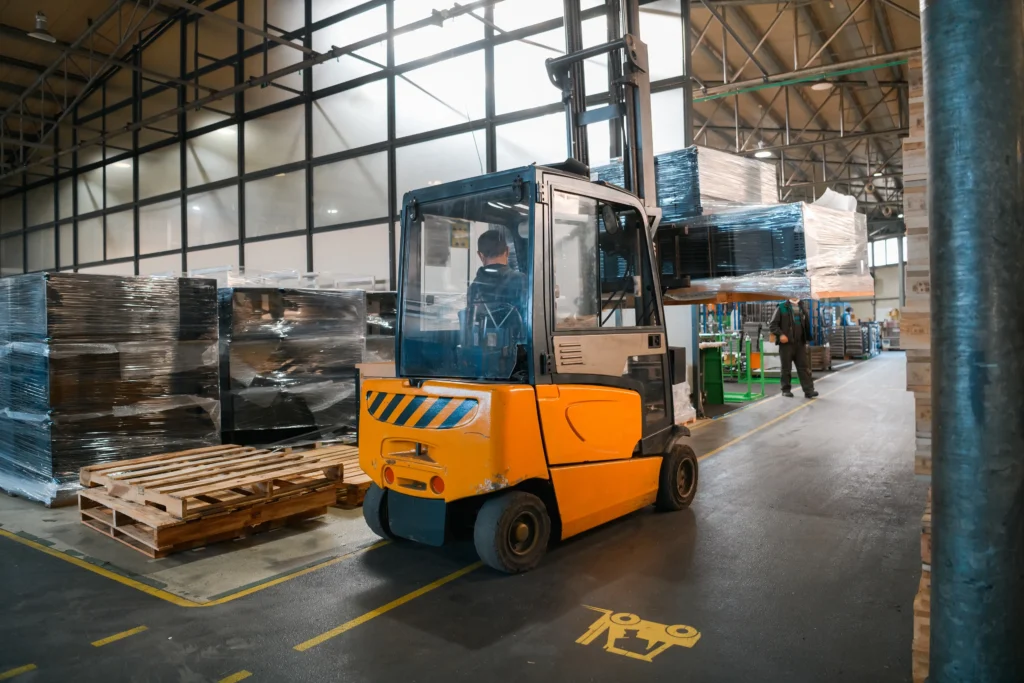 Building a compelling case for a forklift accident claim can involve:
- Documenting the incident
- Comprehensive evidence collection
- Witness interviews
- Utilization of testimony
Interviewing all individuals involved in the forklift accident is essential for identifying causes and collecting comprehensive evidence without assigning blame. Documenting the accident scene with date and time-stamped photos and safeguarding evidence are critical steps in investigating a forklift accident.
Gathering and Preserving Evidence
The types of evidence you collect can significantly impact your claim’s success. Photographs of the accident scene, witness contact information, and any available CCTV footage can provide valuable evidence to support your claim.
Evidence of operational errors, inadequate training, improper loading, lack of safety measures, and other contributory factors is essential to identify the accident’s cause. If you’re claiming a defective forklift, evidence of design flaws, manufacturing issues, or inadequate warnings that might have led to the accident will be crucial.
Utilizing Witnesses
Witnesses provide an independent and professional assessment to support your case. Medical professionals can evaluate the extent of injuries sustained in a forklift accident and assess their long-term impact on your life.
Certified forklift operators with training qualifications can attest to whether the rules and standards of forklift operation were followed in the context of the accident. A forklift operator witness can assess key factors like faulty design, insufficient training, or improper use to determine the cause of the accident.
In some cases, accident reconstruction specialists collaborate with the attorney to reconstruct the accident scenario, providing a clear and detailed testimony in court.
Understanding Compensation: What Damages Can You Recover?
Understanding what damages you can recover is a crucial part of the claims process. Economic damages in forklift accident cases can include compensation for:
- Medical expenses
- Lost wages
- Loss of future earnings
- Property damage
Non-economic damages can be awarded for intangible losses, which can cover:
- Emotional distress
- Pain and suffering
- Loss of enjoyment of life
- Loss of consortium
- Compensation for permanent injury and disfigurement
In some cases, if the defendant’s actions were particularly egregious, showing fraud, malice, or willful misconduct, punitive damages may be available, although some jurisdictions may impose caps on these damages.
Filing Your Claim: The Legal Process
The legal process for filing a forklift accident claim involves several steps, beginning with meticulous documentation of the details of the incident. The documentation for the incident should be done on the organization’s approved investigation form to ensure it meets company and legal standards.
After completing the necessary paperwork, the claimant must file it with the appropriate parties or departments. Retaining and organizing claim-related documents in chronological order is crucial for maintaining a clear record of events and can aid in legal proceedings.
Submission of Initial Paperwork
The submission of initial paperwork is a critical step in initiating a forklift accident claim. Accurate information on wage loss due to the accident is essential for the initial workers’ compensation paperwork.
A lawyer’s assistance can be valuable in ensuring the initial paperwork for a workers’ compensation claim is both complete and accurate.
Court Proceedings
If a fair settlement cannot be reached, issuing court proceedings may be necessary. Once a claimant decides to initiate court proceedings, they must lodge a claim form, a medical report, and a summary of financial losses at court, along with the Particulars of Claim which must be signed.
Following the service of a claim, the defendant has approximately 28 days to respond with their defense. After this, the claim is assigned to an appropriate track based on the financial value or complexity of the case.
Once in court, the attorney’s role encompasses managing both pre-trial activities and trial activities, such as the discovery of evidence and filing motions. The court sets a strict schedule for the steps needed to ready the case for hearing, with exacting time constraints established for sharing required information, and penalties enforced for any delays.
Presenting a case in court involves delivering opening statements, exhibiting evidence like eyewitness testimonies and video recordings, cross-examining witnesses, and making closing arguments.
How Campos Law Group Can Help You
A forklift accident can leave anyone scarred and confused. However, armed with the right knowledge and a competent legal team, you can confidently proceed on your path to recovery. This guide has provided you with a comprehensive overview of the process of filing a forklift accident claim, from understanding the types of claims and initiating your claim to choosing a lawyer and understanding compensation.
At Campos Law Group, we’re dedicated to helping forklift accident victims through the intricate legal process. From negotiating with insurance companies to securing the compensation you deserve, we are here to support you every step of the way.
Our goal is to alleviate the burden of navigating the legal field and dealing with insurance companies so that you can focus on your recovery. You don’t have to face this daunting process alone; we’re here to guide you. Reach out to us at 512-233-6947 to set up a free consultation, or to learn more about how we can assist you.
Remember, while the process may seem overwhelming, you don’t have to face it alone. At Campos Law Group, we stand ready to support you every step of the way. We’re committed to advocating for your rights and helping you secure the compensation you deserve.
Frequently Asked Questions
What are the consequences of a forklift accident?
The consequences of a forklift accident can be severe, leading to physical, financial, and psychological impact on operators and other staff, including injuries such as fractures, crush injuries, and fatalities. Be cautious and prioritize safety to prevent such incidents.
What should you do if you had a minor collision with another forklift?
After a minor collision with another forklift, seek medical attention immediately, report the accident to your employer, document the incident, and consider contacting a forklift accident lawyer if necessary.
What is the accident injury compensation?
Accident injury compensation typically includes compensatory damages for medical costs, lost wages, and pain and suffering, as well as economic and non-economic damages. It is meant to compensate the injured person for their losses.
How do I make an injury claim?
To make an injury claim, start by seeking medical treatment, then contact an experienced personal injury attorney to help you set up the claim, gather information, negotiate a settlement, and potentially file a lawsuit if needed. Good luck with your claim!
What are the common causes of forklift accidents?
Forklift accidents are commonly caused by operator error, mechanical malfunctions, and unsafe working conditions. It is important to address these issues to prevent accidents from occurring.

Free Consultation
” * ” Indicates Required Fields
"*" indicates required fields

