
AVAILABLE 24/7 | FREE INITIAL CONSULTATION
What Are Common Work Injuries?
Workplace injuries can be an unfortunate reality for many employees. Being aware of what are common work injuries and how to prevent them is paramount for both workers and employers alike. Understanding these risks can help create a safer work environment and reduce the physical, emotional, and financial toll that accidents can take.

Campos Law Group can educate about the most common workplace accidents and prevention strategies, and help injured workers navigate the complexities of workers’ compensation claims. Call us today at 512-233-6947 for a free consultation, and let our work injury lawyers guide you through the process of securing the compensation you deserve after a workplace injury.
Key Takeaways
- Slips, trips, and falls are the most common workplace injuries that can be prevented through safety measures.
- Overexertion injuries can be avoided with strategic practices and ergonomics training.
- Injured workers should seek medical attention, report their injury to an employer promptly, and consider legal support for personal injury claims.
Common Workplace Injuries: A Closer Look
Workplace injuries, also known as work-related injuries, can occur in various forms and across numerous industries. Some of the most frequent occupational injuries include:
- Slips, trips, and falls
- Overexertion
- Contact with machinery
- Exposure to hazardous substances and conditions
The National Safety Council revealed that slips, trips, and falls are the most frequent reasons for workers’ compensation claims. Gaining knowledge about the risks related to these common workplace injuries allows employees and employers to adopt proactive measures, thereby reducing the frequency and severity of accidents.
Injuries resulting from workplace accidents range from minor to severe and can have lasting consequences. Potential injuries from exposure to hazardous materials or environments include damage to the ears, eyes, skin, and respiratory systems.
These are some of the most common workplace injuries. A most common workplace injury, crush injuries, such as broken bones and soft-tissue damage, can occur when a worker is struck by a falling object. Even if an injury appears minor, immediate medical attention should still be sought after any workplace injury.
-
Slips, Trips, and Falls
Slips, trips, and falls are the most frequent workplace accidents, accounting for a significant number of injuries. Incidents related to slips and falls happen often. They can be caused by:
- occasional spills
- wet or oily surfaces
- icy steps and walkways due to bad weather
- loose rugs
- inadequate lighting
- clutter
- wrinkled carpeting or mats
- uncovered cables
- uneven walking surfaces
Implementation of adequate safety measures and awareness-raising can effectively prevent slips, trips, and falls in the workplace. Maintaining good housekeeping, ensuring quality walking surfaces, and wearing appropriate footwear can significantly reduce the risk of these accidents.
Adhering to the Occupational Safety and Health Association’s (OSHA) fall protection requirements and promoting situational awareness among employees can also help mitigate the risk of slips, trips, and falls.
-
Overexertion Injuries
Extended periods of strenuous physical labor, usually in hot or humid conditions, can lead to overexertion injuries. Construction, manufacturing, warehousing, and agricultural industries are most prone to overexertion injuries. These injuries can result from:
- lifting heavy materials
- operating power tools
- pushing
- pulling
- gripping with excessive force
Overexertion injuries can be prevented through:
- Appropriate training
- Implementation of strategic workplace practices
- Ergonomics training to learn how to perform tasks efficiently and safely
- Regular breaks during work
- Utilizing mechanical lifting equipment for heavy loads
- Resting and stretching during breaks
If experiencing overexertion pain or discomfort, it is imperative to seek medical attention, as untreated injuries suffered may worsen over time.
-
Injuries from Falling Objects
Injuries from falling objects can cause severe harm and may lead to long-term consequences. Falling objects in the workplace can cause serious harm. Injuries can range from hand injuries such as amputated fingers or limbs to more severe trauma like head injuries, stress fractures, or full-bone breaks.
Reducing the risk of injury from falling objects involves following safety protocols and using protective equipment. Proper storage of materials, securing objects at heights, and wearing appropriate personal protective equipment, such as hard hats, can help minimize the risk of injuries from falling objects. Awareness and adherence to established safety guidelines are crucial for maintaining a safe work environment and preventing these types of accidents.
Occupational Hazards and Safety Measures
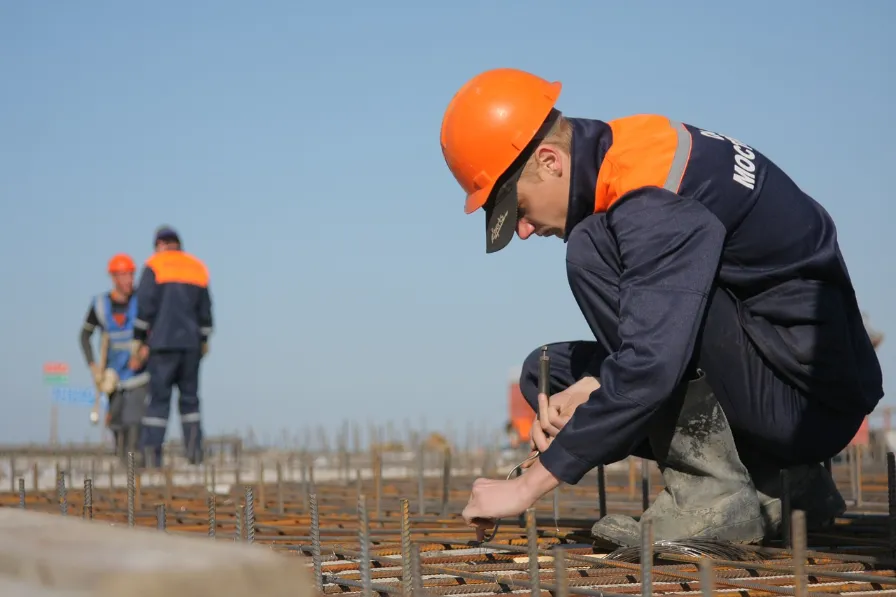
Occupational hazards commonly encountered in various industries include:
- Ergonomic hazards
- Slips, trips, and falls
- Physical hazards
- Occupational infections
- Workplace safety hazards
Implementing safety measures is an essential aspect of reducing workplace injuries and creating a safer work environment.
Personal protective equipment (PPE) and proper training play crucial roles in reducing occupational hazards. PPE refers to any equipment worn to reduce the risk of workplace injuries and illnesses caused by hazards. Employers are responsible for providing and maintaining PPE, while employees must use the provided PPE correctly. Training and education are effective tools in equipping workers to understand and evade potential hazards in their work environment.
Personal Protective Equipment
Personal protective equipment, also known as safety equipment, is essential for reducing the risk of injury in various work environments. PPE may include:
- Safety helmets
- Ear protection
- High visibility clothing
- Safety footwear and safety harnesses
- Thermal clothing
- Eye and face protection
- Respiratory protection
- Hand protection
- Protective clothing such as vests, jackets, aprons, coveralls, and full-body suits.
Following OSHA’s hazard communication standards and ensuring the use of necessary PPE are key steps in preventing workplace injuries. Employers must provide the necessary personal protective equipment to comply with OSHA standards and ensure a safe working environment for their employees. Employees are responsible for using the provided PPE correctly and demonstrating working knowledge and understanding of the PPE before performing work requiring it.
Proper Training and Education
Training and education are effective tools in equipping workers to understand and evade potential hazards in their work environment. Employers should provide training on hazard recognition, safe work practices, and the use of PPE. This training should cover topics such as ergonomics, lifting techniques, machine operation, and hazardous materials.
If workers suspect their employer is not adhering to OSHA regulations, they should promptly report any workplace hazards to their supervisors and, if needed, to OSHA to request an inspection of the facility. Open communication and a commitment to safety can help create a safer workplace for everyone.
Repetitive Motion Injuries and Prevention

Repetitive motion injuries are common in various industries, including construction, manufacturing, and agriculture. These injuries can result from frequent repetition of a particular motion over an extended period. Identifying and addressing repetitive motion injuries early can help prevent long-term damage and reduce the risk of further injury.
The implementation of prevention strategies is integral in circumventing repetitive motion injuries. These strategies include taking regular breaks, setting up ergonomic workstations, and promoting physical health through yearly physicals or preventative health programs. Recognizing the early warning signs of repetitive motion injuries and seeking medical attention when necessary can help reduce the impact of these injuries on the worker’s overall health and well-being.
Identifying Repetitive Motion Injuries
Early identification of repetitive motion injuries is key to avoiding long-term damage. Professions that are most likely to experience repetitive motion injuries include office jobs with frequent typing, manufacturing jobs with assembly lines, construction jobs, musicians, teachers, and professional athletes. Typical symptoms of repetitive motion injuries may include pain, swelling, tingling, numbness, stiffness, weakness, and sensitivity to cold or heat.
Early detection of repetitive motion injuries can be beneficial in reversing the condition. Prompt intervention and treatment can help alleviate symptoms and prevent further damage. It is essential to seek medical attention and adhere to the prescribed treatment protocols to maximize the chances of reversal.
Prevention Strategies
Strategies to prevent repetitive motion injuries encompass regular breaks, custom-fitting ergonomic workstations, and promoting overall health through annual physicals or preventative health programs. Ergonomic workstations aid in the prevention of repetitive motion injuries through the promotion of proper keyboard alignment, alleviation of strain on the wrists and hands, encouragement of breaks and reduction of repetitive motions, and adjustment of the workstation to suit the individual’s body.
Taking regular breaks can help reduce strain on muscles and joints caused by repetitive movements, as well as break up the monotony of repetitive tasks. Additionally, regular breaks can promote better blood circulation, which can reduce the risk of injury.
Engaging in regular exercise and fitness activities can help enhance physical fitness, making the body more resilient and less vulnerable to repetitive motion injuries.
Dealing with Workplace Violence and Other Injuries
Workplace violence and animal-related injuries can pose significant risks in certain work environments. Violence in the workplace can result in physical, mental, and emotional harm. Implementing prevention methods, such as recognizing the signs of workplace violence and following employer guidelines for handling animals, can help mitigate the risks associated with these types of injuries.
Employers should ensure that all personnel are cognizant of the potential hazards of working with animals and provide suitable safety instructions. Additionally, employers should implement policies and procedures to prevent and address workplace violence, as well as provide training to employees on how to recognize and respond to potential threats of violence.
Recognizing the Signs of Workplace Violence
Maintaining a safe work environment requires the recognition of potential signs of workplace violence. Behaviors that could suggest the potential for workplace violence include:
- Making direct, veiled, or conditional threats of harm
- Repeated disregard for company policies
- Unprovoked outbursts of anger or rage
- Depression and withdrawal
- Verbal cues such as speaking loudly or yelling, swearing, or making aggressive statements
In addition to recognizing the signs of potential workplace violence, it is important to create a safe and supportive work environment that encourages open communication and addresses conflicts and concerns promptly. Employers should provide resources and training for employees to recognize and report potential threats of violence, as well as establish clear policies and procedures for addressing and preventing workplace violence.
Preventing Animal-Related Injuries
Preventing animal-related injuries involves following employer guidelines and implementing zero-tolerance policies for violence. The most common animal-related injuries in the workplace include:
- bites
- scratches
- kicks
- strains
- sprains
- puncture wounds
Employers should ensure that all personnel are aware of the correct safety procedures for interacting with animals and provide the necessary equipment and methods to control hazards. Employers should also provide training in animal handling techniques, including slow and deliberate movements, and digital training to educate staff on animal welfare.
Steps to Take After a Workplace Injury
Ensuring proper care and compensation for injured workers hinges on taking the appropriate steps post-workplace injury. Seeking medical attention and reporting the injury to your employer are essential components of this process. By following these steps, injured employees can improve their chances of receiving the compensation they deserve for their injuries.
Medical attention should be sought immediately after sustaining any type of workplace injury, even if the injury appears minor. Reporting the injury to your employer within the required timeframe is also crucial for filing a workers’ compensation claim. Failure to report a workplace injury promptly can negatively affect a legal claim, making it more challenging to demonstrate that the injury was caused by a workplace accident.
Medical Attention
Establishing a link between the accident and injuries sustained necessitates seeking medical attention after a workplace injury. Medical attention not only ensures that the injured worker receives the necessary care, but also provides documentation of the injuries and treatment received. This documentation is essential for supporting a workers’ compensation claim and demonstrating the severity of the injuries.
In addition to seeking medical attention, injured workers need to follow their doctor’s recommendations and treatment plans. This can help prevent further complications and improve the chances of a full recovery. Injured workers should also keep detailed records of their medical appointments, treatments, and any expenses related to their injury, as this information may be required for their workers’ compensation claim.
Reporting the Injury
To file a workers’ compensation claim, follow these steps:
- Report the injury to your employer as soon as possible.
- Provide details about the incident, the injuries sustained, and any witnesses to the accident.
- Failure to report a workplace injury promptly can negatively affect a legal claim, making it more challenging to demonstrate that the injury was caused by a workplace accident.
In addition to reporting the injury to your employer, it is important to gather and preserve any evidence related to the accident. This may include:
- Photographs of the accident scene
- Witness statements
- Medical records
- Any other documentation that may be relevant to your claim
This evidence can be crucial for building a strong case and maximizing the chances of receiving full and fair compensation for your injuries.
How Campos Law Group Can Help Injured Workers
Campos Law Group is committed to aiding injured workers and their families in securing compensation for lost wages, medical expenses, and other damages incurred due to workplace injuries. From investigating the details of the case to navigating the complexities of workers’ compensation claims, Campos Law Group is committed to providing personalized support and advocacy for our clients.
Injured workers, by engaging with Campos Law Group, can concentrate on their recovery while our law firm handles the legal aspects of the case. The experienced team at Campos Law Group investigates the case, gathers evidence, and communicates with third parties on their clients’ behalf. Our goal is to alleviate the burden of navigating legal complexities and dealing with insurance companies, allowing clients to focus on their recovery and well-being.
Investigating the Case
Campos Law Group takes a comprehensive approach to investigating workplace injury cases. We:
- Conduct thorough investigations into the circumstances surrounding the accident
- Gather evidence such as witness statements, photographs, and medical records
- Consult with professionals if necessary to analyze the cause of the injury and determine liability
By building a strong legal case, Campos Law Group can maximize the chances of receiving full and fair compensation for the injured worker.
In addition to investigating the case, Campos Law Group also offers guidance through the appeals process, collects relevant evidence, and collaborates with medical professionals to assess the claim’s value. Our legal advice and management of the legal process allow injured workers to prioritize their recovery and peace of mind, while we take care of the complexities of the case.
Alleviating the Burden
A significant part of Campos Law Group’s approach to representing injured workers involves lessening the burden of interaction with insurance companies and legal complexities. We offer support, negotiate on behalf of the injured worker, and advocate for their rights and interests when dealing with insurance companies.
Campos Law Group employs strategies such as offering personalized support and direction, advocating for our clients’ rights, and vigorously litigating personal injury claims to minimize stress for clients with workplace injuries. By partnering with Campos Law Group, injured workers can focus on their recovery while the law firm takes care of the legal aspects of the case, ensuring they receive the compensation they deserve.
If an injury does occur, take the appropriate steps and seek the assistance of Campos Law Group, an experienced law firm. We can help injured workers receive the care and compensation they deserve. Give us a call today at 512-233-6947 for a free consultation. Remember, a safe workplace is a responsibility shared by everyone.
Frequently Asked Questions
What are the top 5 most common workplace injuries?
The top 5 most common workplace injuries are trips, slips and falls; being struck by or caught in moving machinery; vehicle-related accidents; fire and explosions; and repetitive stress and overexertion injuries.
How can I prevent slips, trips, and falls in the workplace?
To reduce the risk of slips, trips, and falls in the workplace, maintain good housekeeping, provide quality walking surfaces, use appropriate footwear, and follow safety guidelines.
What steps should I take if I suffer a workplace injury?
Seek medical attention right away, report the injury to your employer, save evidence, and think about getting legal advice from Campos Law Group.

Free Consultation
” * ” Indicates Required Fields
"*" indicates required fields

